State before behaviour. Always.
A dog that looks calm isn’t always regulated and a dog who’s struggling isn’t just waiting on better training, they’re waiting on us to help them feel differently, and sometimes that means we have to feel differently too.
Regulation isn’t something we do to our dogs, or something we do alone and hope they catch up with us. Sometimes we find our calm first. Sometimes we find it together, in the same moment, side by side. Once you see both, you can’t unsee it. The Canine Regulation Project exists to help the whole dog world see it.
THE PROBLEM
Good and bad were never really the point.
We’ve all been taught to measure dogs by what we can see. Sit, stay, quiet, still.
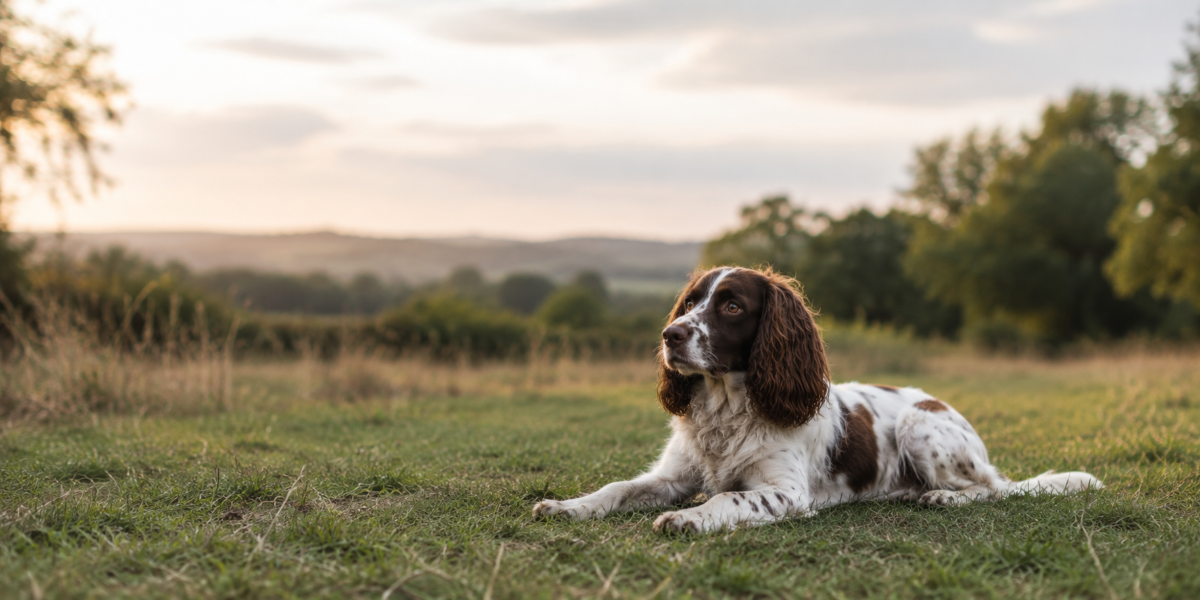
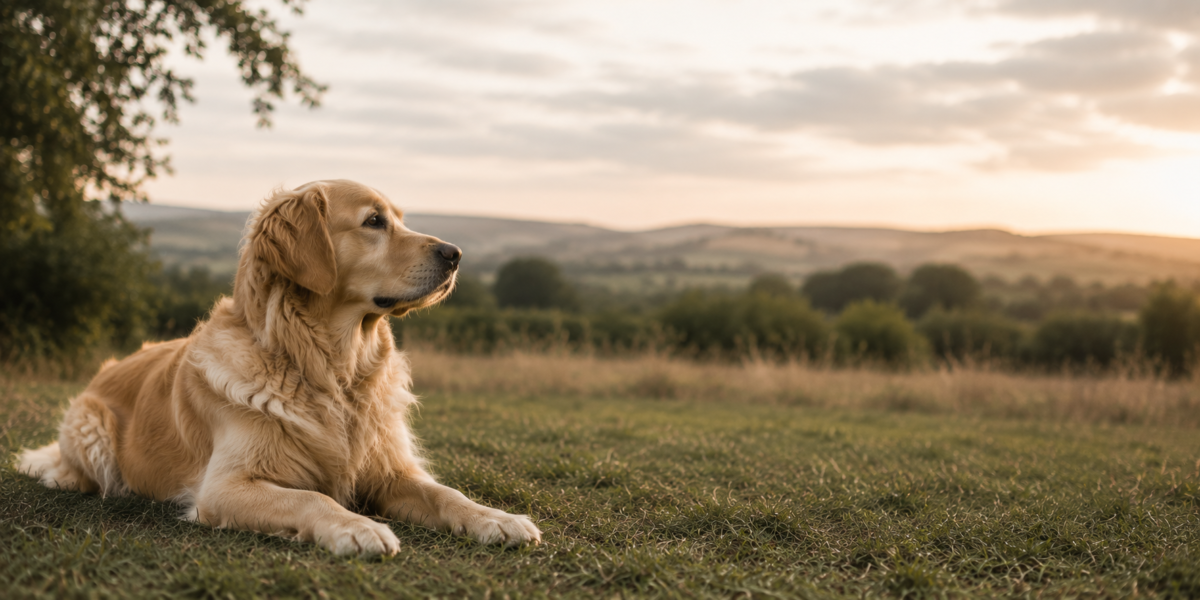
But a still dog can be a shut down dog. A quiet dog can be a dog who has learned that nothing they do changes anything. Plenty of dogs praised for being good are actually just switched off.
Watch closely enough, and you can see the difference. A dog who’s comfortable holding a stay sits there loose and settled. A dog who isn’t comfortable is constantly looking for a way to break it, glancing, shifting, waiting for the moment they’re allowed to move. Both dogs might finish the exercise. Only one of them was actually okay.
And the dogs labelled reactive, difficult or stubborn? Their nervous systems are working exactly as designed. They’re responding to how the world feels to them. The behaviour was never the problem, it was the message.
What they actually are is regulated, or dysregulated, and that’s not a character judgement. It’s a physical state, caused by emotion, energy, or experience, and it works exactly the same for us too.
We regulate together.
THE SHIFT
Read the state, not just the behaviour.
Every behaviour comes from somewhere. Before a dog can learn, settle or connect, their nervous system has to feel safe enough to let them. That’s regulation. It isn’t a technique or a trend. It’s the foundation everything else sits on.
And here’s the part most of the dog world still misses: it goes both ways. Dogs regulate off the people around them. Your state walks into the room before you do.
Sometimes that looks like a dog who won’t hold a stay, not because they don’t understand it, but because every time their person steps away, tension goes with them, and the dog feels it before anything is said. Sometimes it looks like a dog pulling away from the very person who loves them most, because that person is carrying something heavy right now, and the dog knows it.
A dog waiting on you to help them feel different isn’t always waiting on better training. Sometimes they’re waiting on you to feel differently too. Sometimes regulation means finding your own calm first. Sometimes it means finding it together, in the same moment, side by side. Both are the work.
Neuroscientist Mark Solms has spent decades studying exactly this in humans, his research suggests feeling comes before thought and before behaviour, not after. Everything else is built on top of it. Dogs are no different.
THREE WAYS IN
01 — The Pledge
A public commitment to look underneath the behaviour. For owners, professionals and organisations.
Takes thirty seconds.
02 — Awareness Week
One week a year talk regulation properly, in homes, clubs, clinics and fields.
With free resources to download, use and share, growing a movement.
03 — Education

Free, plain-language resources. The difference between calm and shutdown. What co-regulation actually means.
See what your dog’s state saying.
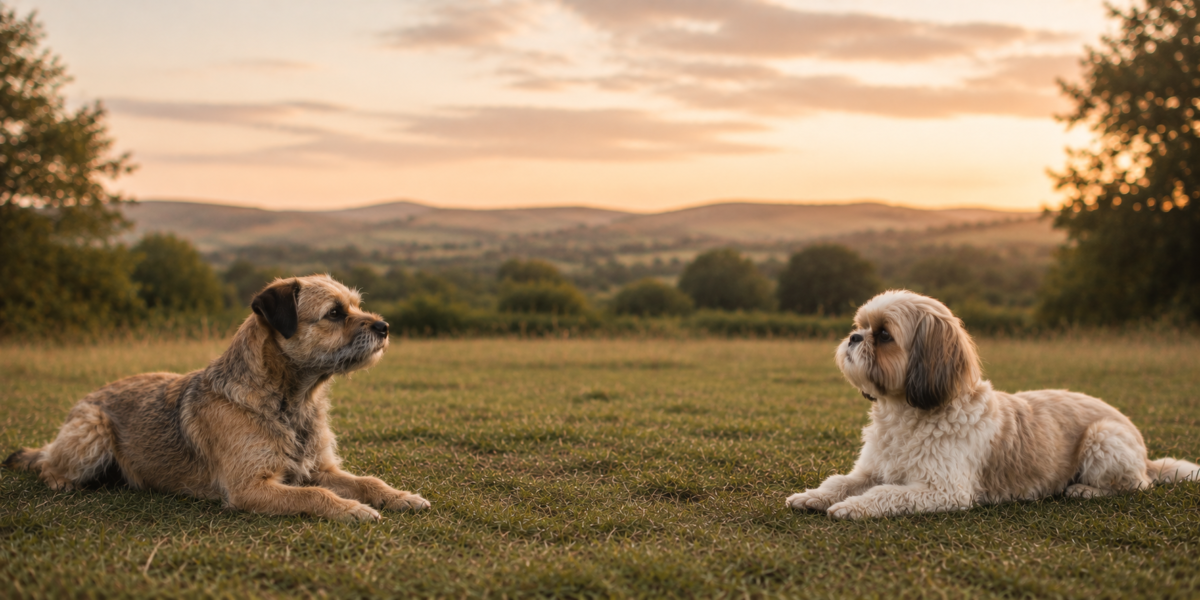
WHO IS THIS FOR
Owners | Professionals | Organisations
You don’t need letters after your name to join the pledge. You don’t need to have got it right so far either. Most of us were taught to look at behaviour first. This is about choosing to look deeper from here.
For trainers, behaviourists, clubs, rescues and businesses, there’s a pledge badge you can apply for and display, showing your clients and community what you stand for. The commitment underneath it is simple: regulation comes first. See the state before the behaviour, work with the state before the behaviour, every time.
Put your name behind the pledge today
Thirty seconds. Costs nothing. Says something.
We regulate together.